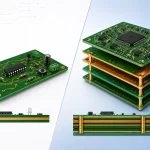



If you’re looking for ways to ensure your electronics or hardware products work perfectly before hitting the market, test benches are essential. A well-designed test bench allows engineers to evaluate product performance, reliability, and safety under controlled conditions. From prototyping and functional testing to mass production validation, test benches streamline quality assurance and help reduce costly errors.
In this article, you’ll learn:
- What test benches are and why they’re critical for product testing.
- How test benches work and the types of testing they support.
- Key factors to consider when setting up or selecting a test bench.
- Emerging trends in testing technology that enhance accuracy and efficiency.
Let’s dive in and explore how test benches help engineers and manufacturers deliver reliable, high-quality products every time.
1. What Are Test Benches?
A test bench is a controlled environment where engineers simulate real-world operating conditions for products, circuits, or systems to evaluate performance, durability, and functionality. They can be manual setups or fully automated systems, designed to test everything from electronics and PCBs to complete hardware devices.
Key benefits of test benches:
- Detect faults and defects before production.
- Optimize performance and ensure regulatory compliance.
- Reduce product recalls and warranty costs.
- Streamline development and prototyping workflows.
By providing a repeatable and precise testing process, test benches help maintain consistent quality and reliability.
2. How Do Test Benches Work?
Test benches are designed to mimic real-life conditions and allow engineers to monitor system behavior. Here’s a step-by-step look at how they function:
2.1 Component and System Setup
Engineers mount the product or prototype onto the test bench, connecting it to sensors, power sources, and diagnostic tools. This allows the test bench to simulate real operating conditions accurately.
2.2 Input Simulation
The bench generates inputs, such as voltage, current, signals, or mechanical forces, to replicate the product’s expected usage. For electronics, this could mean simulating network traffic, load conditions, or environmental changes like temperature and humidity.
2.3 Data Collection
Sensors and software capture real-time data, including performance metrics, errors, and thermal readings. Automated test benches can log this data continuously for in-depth analysis.
2.4 Analysis and Validation
Engineers analyze test results to verify whether the product meets design specifications, safety standards, and performance requirements. Failures are identified, and adjustments are made before mass production.
2.5 Iteration
Test benches support multiple iterations of testing, helping refine design, component choices, and assembly methods. Rapid feedback reduces development cycles and improves product quality.
3. Types of Test Benches
3.1 Electrical and Electronics Test Benches
Used for PCBs, microcontrollers, sensors, and IoT devices. They check for voltage fluctuations, signal integrity, and functional performance.
3.2 Mechanical and Environmental Test Benches
Simulate temperature, vibration, shock, and humidity conditions to assess product durability. Essential for automotive, aerospace, and industrial applications.
3.3 Automated Test Benches
AI-driven or robotic systems that perform repetitive testing tasks quickly, improving consistency, accuracy, and speed. Ideal for high-volume production environments.
4. Choosing the Right Test Bench
When selecting or designing a test bench, consider:
- Purpose & Scope: Define whether it’s for prototype testing, QA validation, or mass production.
- Accuracy & Precision: Ensure the test bench meets required tolerances and measurement standards.
- Automation & Software Integration: Automated benches reduce human error and accelerate testing cycles.
- Scalability: Should support low-volume prototyping and high-volume production without compromising reliability.
- Safety & Compliance: Ensure compliance with relevant industry standards and certifications.
A robust test bench improves product quality, reduces time-to-market, and lowers costs associated with defects and recalls.
5. Emerging Trends in Test Bench Technology
5.1 AI and Machine Learning Integration
AI algorithms help detect anomalies faster and optimize testing parameters, reducing human intervention and error.
5.2 Virtual and Digital Twins
Simulate real-world behavior digitally before physical testing, saving time, reducing material costs, and accelerating prototyping.
5.3 IoT-Enabled Remote Monitoring
Connected test benches allow engineers to monitor performance remotely, enabling real-time decision-making and faster troubleshooting.
5.4 Sustainable Testing Practices
Energy-efficient setups, recyclable materials, and minimized waste are being adopted to reduce the environmental impact of testing.
6. Steps to Implement a Test Bench
- Define Testing Goals: Specify the product type, performance metrics, and test conditions.
- Design or Select a Bench: Choose hardware, sensors, and software tools suited for your requirements.
- Install and Calibrate: Ensure accurate sensor readings, stable power supply, and reliable data collection.
- Run Pilot Tests: Perform initial trials to validate bench setup and refine processes.
- Analyze and Iterate: Evaluate results, optimize design, and repeat until performance meets expectations.
Final Thoughts: The Role of Test Benches in Product Success
Test benches are crucial for achieving accurate, reliable, and high-quality product testing. By simulating real-world conditions, collecting precise data, and supporting rapid iteration, they help engineers and manufacturers reduce defects, improve safety, and accelerate time-to-market.
Key takeaways:
- Test benches provide controlled environments for precise testing and validation.
- Automation, AI, and IoT integration are shaping the next generation of testing.
- Choosing the right test bench improves product reliability, efficiency, and compliance.
Next Steps:
- Define your product testing requirements clearly.
- Select or design a test bench that aligns with your production and quality goals.
- Leverage emerging technologies to maximize efficiency, accuracy, and scalability.
With the right test bench, you can ensure your products meet the highest standards and deliver exceptional performance in the market.