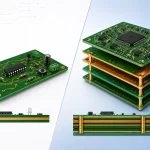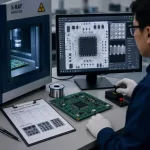



Choosing the wrong PCB assembly company can delay your launch, increase failures, and create hidden costs that only appear after production starts. The right partner improves quality, protects timelines, and reduces engineering rework.
This guide explains how to evaluate a PCB assembly company in India using practical criteria: quality systems, manufacturing capability, communication, pricing, lead time, and long-term reliability.
- Helps founders avoid supplier mistakes
- Helps engineers reduce production risk
- Helps buyers compare quotes correctly
- Helps teams move from prototype to production faster
Why Choosing the Right PCB Assembly Company Matters
PCB assembly is not just placing components on a board. It directly affects product performance, field reliability, and delivery schedules.
A low-cost quote may look attractive initially, but poor process control often creates expensive downstream problems.
- Solder defects can cause intermittent failures
- Wrong component sourcing can impact performance
- Poor testing can miss hidden faults
- Delays can affect customer commitments
- Rework increases total project cost
If your product enters medical, industrial, EV, drone, or IoT markets, assembly quality becomes even more critical.
Start with Your Project Requirements First
Before comparing suppliers, define what your project actually needs. Many teams request quotes without complete data, leading to inaccurate pricing and confusion later.
A strong supplier decision starts with internal clarity.
- Prototype or production volume?
- SMT, through-hole, or mixed technology?
- Single-sided or multilayer PCB?
- Standard or fine-pitch components?
- Local or imported components?
- Required certifications?
- Delivery deadline?
- Functional testing needed?
Without this information, even a good supplier cannot quote accurately.
Evaluate Technical Capability, Not Just Price
The best PCB assembly company for your project is one that can reliably build your design—not simply the cheapest option.
Technical mismatch causes slow builds, high defect rates, and redesign requests.
- Can they handle your PCB size and layer count?
- Can they place BGA, QFN, micro components?
- Do they support mixed assembly processes?
- Can they perform rework safely?
- Do they support conformal coating if needed?
- Can they scale from prototype to volume?
Ask for real examples of similar complexity, not generic claims.
Check Quality Systems and Process Discipline
Quality is built into the process, not inspected at the end. A professional assembler should explain how defects are prevented, detected, and corrected.
If the answer is vague, risk is high.
- Incoming inspection for PCBs and components
- Solder paste control and storage
- Machine calibration schedules
- AOI (Automated Optical Inspection)
- X-ray inspection for hidden joints if required
- First article inspection
- Traceability by batch or lot
- Root cause analysis for failures
Strong process discipline usually matters more than marketing promises.
Review Certifications Based on Your Industry
Certifications do not guarantee perfection, but they indicate structured operations and documented controls.
Choose certifications relevant to your product sector.
- ISO 9001 for quality management
- ISO 13485 for medical devices
- IATF-related expectations for automotive supply chains
- ESD controls for electronics handling
- RoHS / compliance support for exports
If you need exports or regulated sectors, ask this early.
Understand Component Sourcing Capability
Many PCB delays come from components, not assembly. A company may have fast machines but weak sourcing systems.
Ask how they manage procurement risk.
- Approved vendor network
- Alternate part suggestions
- Obsolescence handling
- Counterfeit prevention process
- Import lead-time planning
- Inventory visibility
- Shortage communication speed
A supplier with good sourcing support can save weeks during shortages.
Compare Quotes the Right Way
A lower quote may exclude testing, tooling, stencils, wastage, or procurement handling. Compare total scope, not headline price.
Always normalize quotations before deciding.
- Assembly charges
- NRE/tooling charges
- Stencil cost
- Component procurement margin
- Testing charges
- Packaging and shipping
- Taxes
- Rework terms
- MOQ requirements
Two quotes that look similar can have very different final costs.
Assess Lead Time Realistically
Fast delivery claims are common. Realistic delivery is more valuable than unrealistic promises followed by delays.
Ask for milestone-based timelines.
- Quote turnaround time
- Procurement timeline
- PCB fabrication timeline
- Assembly slot availability
- Testing duration
- Dispatch date
For urgent launches, ask what causes schedule slippage and how they manage it.
Communication Quality Is a Major Success Factor
Many production problems start as communication problems. Slow responses, unclear updates, or undocumented changes create avoidable errors.
A reliable partner communicates clearly and early.
- Fast response to RFQs
- DFM feedback before production
- BOM discrepancy alerts
- Timeline updates
- Escalation contact person
- Clear documentation trail
Strong communication often predicts strong execution.
Ask About DFM and Engineering Support
Good assemblers do more than build files blindly. They flag manufacturability issues before they become scrap or rework.
This creates real cost savings.
- Footprint mismatch detection
- Missing polarity markings
- Panelization suggestions
- Fiducial recommendations
- Tight spacing warnings
- Test point suggestions
- Substitute component review
A supplier who challenges risky designs can be valuable.
Prototype vs Production: Choose Accordingly
Some companies are excellent at prototypes but struggle with scale. Others are optimized for volume and may be slow for small batches.
Match supplier strengths to your stage.
If You Need Prototypes
- Fast setup
- Engineering flexibility
- Small batch acceptance
- Quick iterations
If You Need Mass Production
- Stable process yield
- Procurement strength
- Repeatability
- Capacity planning
- Documentation control
Do not assume one vendor is ideal for every stage.
Visit the Facility or Audit Remotely
If the project value is significant, verify operations directly. A short audit reveals more than a polished brochure.
Look for operational signals.
- Cleanliness and organization
- ESD discipline on floor
- Material labeling
- Storage conditions
- Machine maintenance state
- Work instruction visibility
- Inspection stations
- Staff confidence and clarity
Well-run floors usually look disciplined.
Red Flags to Avoid
Some warning signs appear early. Ignoring them usually costs more later.
- Extremely low quotes without detail
- No questions asked about your files
- No quality process explanation
- Constant delays in responses
- Unclear ownership of issues
- Refusal to share inspection approach
- Frequent last-minute cost changes
- Overpromising unrealistic lead times
If evaluation feels chaotic, production may be worse.
Best Decision Framework for Buyers
Use a weighted scorecard instead of choosing emotionally or by price alone.
Score each supplier out of 10 on critical factors.
- Technical fit
- Quality systems
- Pricing transparency
- Lead time reliability
- Communication speed
- Engineering support
- Component sourcing strength
- Scalability
- Trust and responsiveness
This turns selection into a rational business decision.
What Works Best in Real Projects
In practice, the most successful supplier relationships are built on predictability, not lowest cost.
Teams usually stay with partners who consistently deliver acceptable quality on time with honest communication.
- Fewer surprises
- Lower internal management effort
- Faster repeat orders
- Better long-term pricing discussions
- Easier scaling when demand rises
Reliability compounds over time.
Key Takeaways
Choosing the right PCB assembly company in India is about reducing risk, not just reducing price.
- Define project needs before requesting quotes
- Verify technical capability for your board complexity
- Check quality systems and traceability
- Compare total cost, not headline price
- Assess sourcing capability for components
- Prioritize realistic lead times
- Value communication and engineering feedback
- Use scorecards for final selection
The right decision today can prevent delays, failures, and expensive redesigns tomorrow. Choose a partner that can execute consistently as your product grows.