


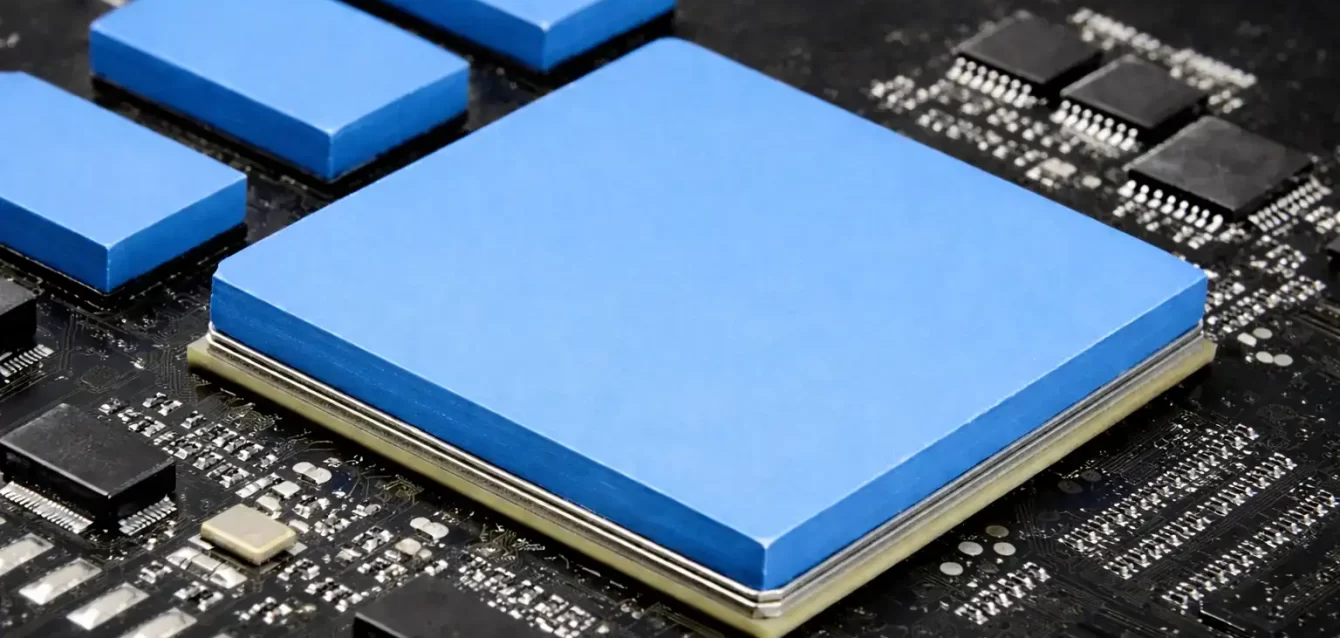
Thermal Vias play a crucial role in high-power PCB designs by providing a direct, low-resistance path for heat to move away from power-dense components into internal copper planes or external heat-spreading surfaces.
When implemented correctly, they reduce junction temperatures, prevent thermal stress, and significantly improve long-term PCB reliability.
This topic is important because today’s electronics—power supplies, EV systems, telecom equipment, and industrial controllers—operate at higher currents and tighter layouts than ever before. Heat is no longer a secondary concern; it is a primary design constraint. This article explains the importance of Thermal Vias, how they work, why they matter, and their application in real-world high-power PCB designs, so readers get the exact information they came for—quickly and clearly.
Why Overheating Is a Critical Problem in High-Power PCBs
Overheating is one of the most common root causes of PCB failure in high-power applications. As power density increases, components such as MOSFETs, voltage regulators, processors, and power ICs generate concentrated heat in very small areas. If this heat is not efficiently removed, temperatures rise rapidly, leading to reduced electrical efficiency, material degradation, and mechanical stress.
Excess heat affects more than just the component itself. It weakens solder joints, warps PCB substrates, accelerates aging of nearby parts, and increases the risk of intermittent failures in real-world operating conditions. In many cases, boards may pass initial testing but fail prematurely in the field due to long-term thermal stress. This is why effective thermal management—especially vertical heat transfer—is essential in high-power PCB designs.
Key Effects of Poor Thermal Management
- Increased junction temperature of power components
- Reduced efficiency and higher power losses
- Shortened component lifespan
- Solder joint fatigue and cracking
- PCB delamination or warping
- Higher risk of field failures and warranty returns
What Are Thermal Vias?
Thermal Vias are plated holes strategically placed in a PCB to conduct heat from the surface layer to internal copper planes or the opposite side of the board. Unlike signal vias, which carry electrical signals, Thermal Vias are designed specifically for heat transfer.
They are commonly placed beneath heat-generating components, such as power ICs or regulators, and connect directly to copper planes that act as heat spreaders. By increasing the surface area available for heat dissipation and creating a vertical thermal path, they significantly reduce localized hotspots on the PCB.
In simple terms, these features help move heat away from where it is generated and distribute it safely across the board.
Core Characteristics of Thermal Vias
- Primarily used for thermal conduction, not signal routing
- Typically placed under thermal pads of components
- Can be filled, capped, or left open depending on design needs
- Connected to large copper areas or ground planes
- Used in arrays to maximize heat transfer efficiency
How They Prevent Overheating in Practice
In high-power PCB designs, heat naturally accumulates at the junction of power components. Thermal Vias prevent overheating by creating a controlled path that guides this heat into areas where it can be safely dissipated. When heat reaches internal copper planes or the bottom layer of the PCB, it spreads out over a much larger area, reducing temperature concentration.
This process lowers the operating temperature of critical components, stabilizes electrical performance, and prevents thermal runaway. Even a modest reduction in junction temperature can dramatically improve reliability, as many electronic components experience exponential lifetime reduction with temperature increase. These features are therefore not just a thermal feature—they are a reliability enabler.
Benefits of Using Them in High-Power PCBs
- Efficient heat transfer away from hotspots
- Lower component junction temperatures
- Improved electrical performance stability
- Enhanced long-term reliability
- Reduced need for oversized heat sinks
- Better compliance with thermal design limits
Why Proper Thermal Via Design Matters
Simply adding them is not enough. Their effectiveness depends heavily on proper design and implementation. Factors such as via diameter, plating thickness, spacing, and connection to copper planes all influence how efficiently heat is transferred.
Poorly designed features may provide little thermal benefit or introduce manufacturing issues such as solder wicking or voids under components. In contrast, a well-optimized layout can reduce temperatures by several degrees without increasing board size or cost significantly. This makes their design a critical part of early PCB layout planning, not an afterthought.
Key Design Factors That Impact Thermal Via Performance
- Via diameter and aspect ratio
- Number of vias and array density
- Connection to solid copper planes
- PCB thickness and layer stack-up
- Use of via filling or capping for assembly reliability
Real-Life Applications of Thermal Vias
Thermal Vias are widely used across industries where power density and reliability are critical. In power supplies, they help manage heat from switching regulators and transformers. In automotive electronics, they play a key role in EV power modules, motor drivers, and battery management systems, where thermal stability directly affects safety and performance.
Telecom equipment relies on Thermal Vias to cool RF amplifiers and processing units operating continuously at high loads. Industrial control systems, LED lighting, and medical electronics also depend on Thermal Vias to maintain stable operation under demanding conditions. In all these applications, Thermal Vias are a proven, field-tested solution to real-world thermal challenges.
Common Industries Using Thermal Vias
- Power electronics and SMPS designs
- Automotive and EV electronics
- Telecom and networking hardware
- Industrial automation and control systems
- LED lighting and display systems
- Medical and diagnostic equipment
Common Mistakes Engineers Make with Thermal Vias
Many overheating issues occur not because Thermal Vias are missing, but because they are incorrectly implemented. One common mistake is using too few vias under high-power components, which limits heat transfer. Another is failing to connect Thermal Vias to solid copper planes, reducing their effectiveness.
Manufacturability is also often overlooked. Without proper via filling or solder mask control, solder can wick into vias during assembly, leading to poor solder joints. Avoiding these mistakes requires a balance between thermal performance, electrical design, and manufacturing constraints.
Thermal Via Design Mistakes to Avoid
- Treating Thermal Vias like signal vias
- Using minimal via count for high-power devices
- Ignoring solder wicking and assembly issues
- Poor connection to copper pours or planes
- Adding Thermal Vias too late in the design cycle
Final Takeaway: Why Thermal Vias Matter
- Thermal Vias are essential for high-power PCB thermal management
- They prevent overheating by enabling efficient vertical heat transfer
- Proper design improves reliability, performance, and lifespan
- Early thermal planning reduces risk and redesign costs
- Thermal Vias are a proven, industry-standard solution
Closing Thought
Thermal Vias are not just a layout feature—they are a critical thermal strategy in high-power PCB design.
When engineered correctly, they help electronics perform reliably in real-world conditions, protect components from thermal damage, and ensure products survive long after they leave the lab.