


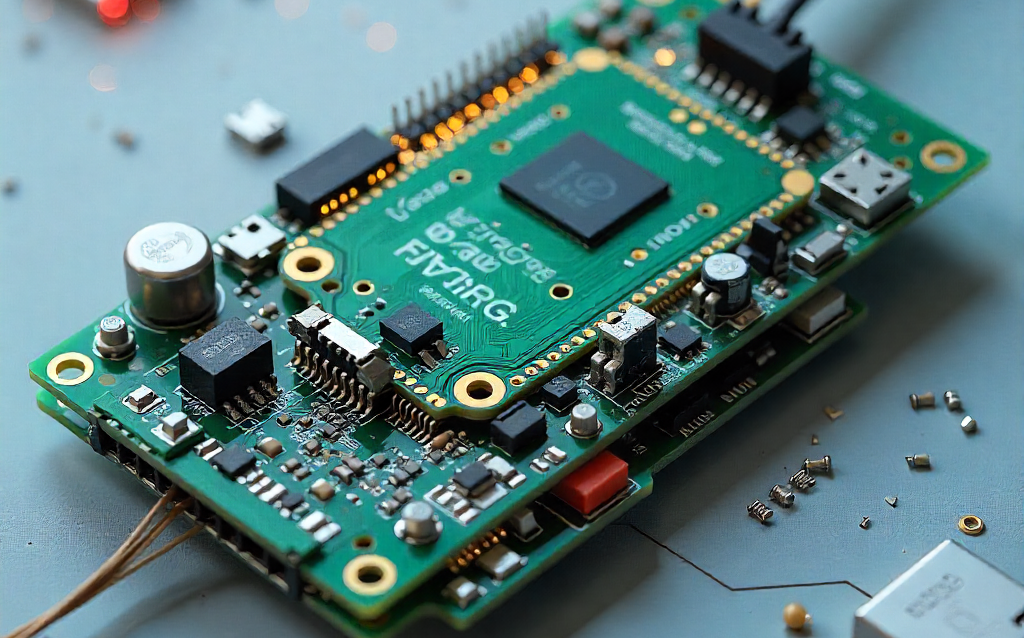
The modern electronics industry has become the backbone of technological innovation in the 21st century. From smartphones and smartwatches to industrial robotics and medical devices, electronics shape nearly every aspect of daily life. However, with rapid growth comes significant responsibility. As electronic devices proliferate, so does their environmental impact. The need for sustainable electronic design has never been more urgent.
Sustainable design in electronics is about more than reducing waste—it’s about creating products that are energy-efficient, environmentally responsible, cost-effective, and long-lasting. Companies that embrace these practices can deliver superior products while meeting consumer expectations and regulatory standards.
By adopting green technologies such as energy-efficient components, recyclable materials, and intelligent power management systems, the industry can:
- Reduce environmental impact
- Promote efficient use of resources
- Lower operational costs
- Increase product lifespan
- Gain a competitive edge in the market
Sustainable design is no longer a “nice-to-have”—it’s a necessity for companies aiming to lead in innovation and responsibility.
Why Sustainable Design Matters in Modern Electronics
The modern electronics industry is expanding at an unprecedented pace, but this growth comes with environmental and economic challenges. Electronic waste (e-waste) is increasing worldwide, and energy-intensive manufacturing processes contribute significantly to greenhouse gas emissions.
Sustainable electronic design addresses these challenges by:
- Reducing E-Waste: Products designed for recyclability and disassembly can avoid landfill accumulation.
- Conserving Energy: Using energy-efficient components reduces electricity usage throughout the product’s lifecycle.
- Enhancing Longevity: Durable products decrease the need for replacements, reducing resource consumption.
Moreover, sustainable practices are aligned with global regulations. Many countries now have strict e-waste and energy-efficiency standards. Companies adopting sustainable design principles can avoid penalties while enhancing their brand reputation.
Key Principles of Sustainable Electronic Design
Sustainable electronics rely on several core principles to achieve environmental and economic benefits:
1. Energy Efficiency
Devices that consume less power help reduce both operational costs and environmental impact. Modern electronics achieve energy efficiency through:
- Low-power microcontrollers
- Energy-efficient transistors
- Optimized circuit designs
- Smart power management systems
By integrating these technologies, products can perform efficiently without wasting energy, which benefits both the manufacturer and the consumer.
2. Recyclable and Eco-Friendly Materials
Choosing materials that can be reused or recycled ensures that devices do not contribute to environmental degradation. Examples include:
- Aluminum and other metals for casings
- Biodegradable or recyclable plastics for housings
- Lead-free solder and environmentally safe chemicals
These materials simplify end-of-life disposal and contribute to circular economy practices.
3. Smart Power Management Systems
Intelligent systems can dynamically adjust power usage based on real-time demand, preventing unnecessary energy consumption. Applications include:
- IoT sensors that enter low-power mode when idle
- Industrial devices that optimize energy for peak loads
- Consumer electronics that manage battery life efficiently
Smart power management is essential for energy-intensive devices, ensuring sustainability without sacrificing performance.
4. Design for Disassembly
Designing products so that they can be easily disassembled allows for:
- Recycling of components
- Easy maintenance and upgrades
- Reduction in electronic waste
This principle ensures that products are future-proof and environmentally responsible.
Leading Companies and Their Sustainable Practices
Several companies in the electronics sector are setting benchmarks in sustainable design. Their practices illustrate how green technologies can be integrated into real-world projects.
Services Offered by Leading Companies:
- Design & Consulting: Expert guidance on energy-efficient and sustainable product development.
- System Implementation: Integration of eco-friendly components and smart technologies.
- Maintenance & Support: Continuous monitoring to maximize efficiency and minimize waste.
- Lifecycle Planning: Strategic planning for long-lasting, upgradeable products.
Notable Projects:
- Consumer Electronics: Smartphones and wearable devices designed for longer battery life and lower energy consumption.
- Industrial Systems: Robotics and machinery with recyclable parts and energy-efficient circuits.
- IoT Devices: Smart, connected sensors optimized for minimal power use and durability.
Certifications like APEx demonstrate a commitment to both quality and environmental responsibility, showing that sustainable practices are becoming industry standards.
Economic Benefits of Sustainable Design
While sustainability is often associated with environmental impact, it also brings financial advantages for companies.
Cost Savings
Energy-efficient components reduce electricity costs for both manufacturers and end-users. Devices designed to minimize waste also reduce operational expenses.
Material Efficiency
Recyclable materials and careful resource planning decrease raw material costs, making production more economical.
Extended Product Lifespan
Durable, maintainable products require fewer replacements, resulting in a better return on investment (ROI) for companies and consumers alike.
Market Advantage
Eco-conscious consumers increasingly prefer products with sustainability credentials, giving companies a competitive edge.
Incorporating sustainable practices is not just ethical—it’s economically strategic. Companies that ignore sustainability risk losing relevance in an increasingly eco-aware market.
Real-World Applications of Sustainable Design
Sustainable practices are not theoretical—they are already transforming the modern electronics industry:
- Smartphones and Wearables: Longer battery life, low-power displays, and recyclable casing materials.
- Consumer IoT Devices: Efficient sensors, energy-saving algorithms, and recyclable plastics.
- Industrial Automation: Robotics with optimized power consumption and durable, recyclable components.
- Healthcare Electronics: Monitors and diagnostic devices designed for energy efficiency and long-term use.
These examples show that sustainable design improves both performance and environmental impact, demonstrating that eco-conscious products can compete with conventional designs.
Driving Environmental Sustainability
Sustainable electronic design contributes to key environmental goals:
Waste Reduction:
- Design for disassembly and recyclability
- Use of biodegradable or reusable components
- Longer-lasting products
Energy Conservation:
- Low-power components
- Smart energy management systems
Renewable Energy Integration:
- Solar-powered devices
- Equipment that leverages wind or hydro energy
These practices not only reduce environmental harm but also encourage innovation, as engineers must solve complex challenges while remaining sustainable.
The Future of Modern Electronics
The industry is moving towards a sustainable, innovation-driven future. Key trends include:
- Biodegradable PCBs: Reducing e-waste at the component level
- AI-Driven Design: Optimizing circuit layouts and power management for efficiency
- Renewable Energy Integration: Devices and production powered by solar, wind, or hydroelectric energy
- Circular Economy Practices: Designing products for reuse, repair, and recycling
These trends highlight that sustainability and innovation are inseparable in the modern electronics industry. Companies embracing these practices will lead both technologically and environmentally.
Conclusion
Sustainable design is no longer optional for modern electronics—it’s a necessity. By adopting energy-efficient components, recyclable materials, smart power management, and design-for-disassembly principles, companies can:
- Reduce environmental impact
- Lower costs and improve ROI
- Meet regulatory and consumer expectations
- Drive innovation and technological leadership
Every engineer, designer, and manufacturer has a role to play. Embracing sustainable electronic design not only protects the planet but also ensures a profitable, competitive, and innovative future for the industry.
Modern electronics are evolving, and the companies that integrate sustainability today will be the leaders of tomorrow.